
May 20, 2026
Reconciliation 2.0: Funding Immigration Enforcement and Border Patrol
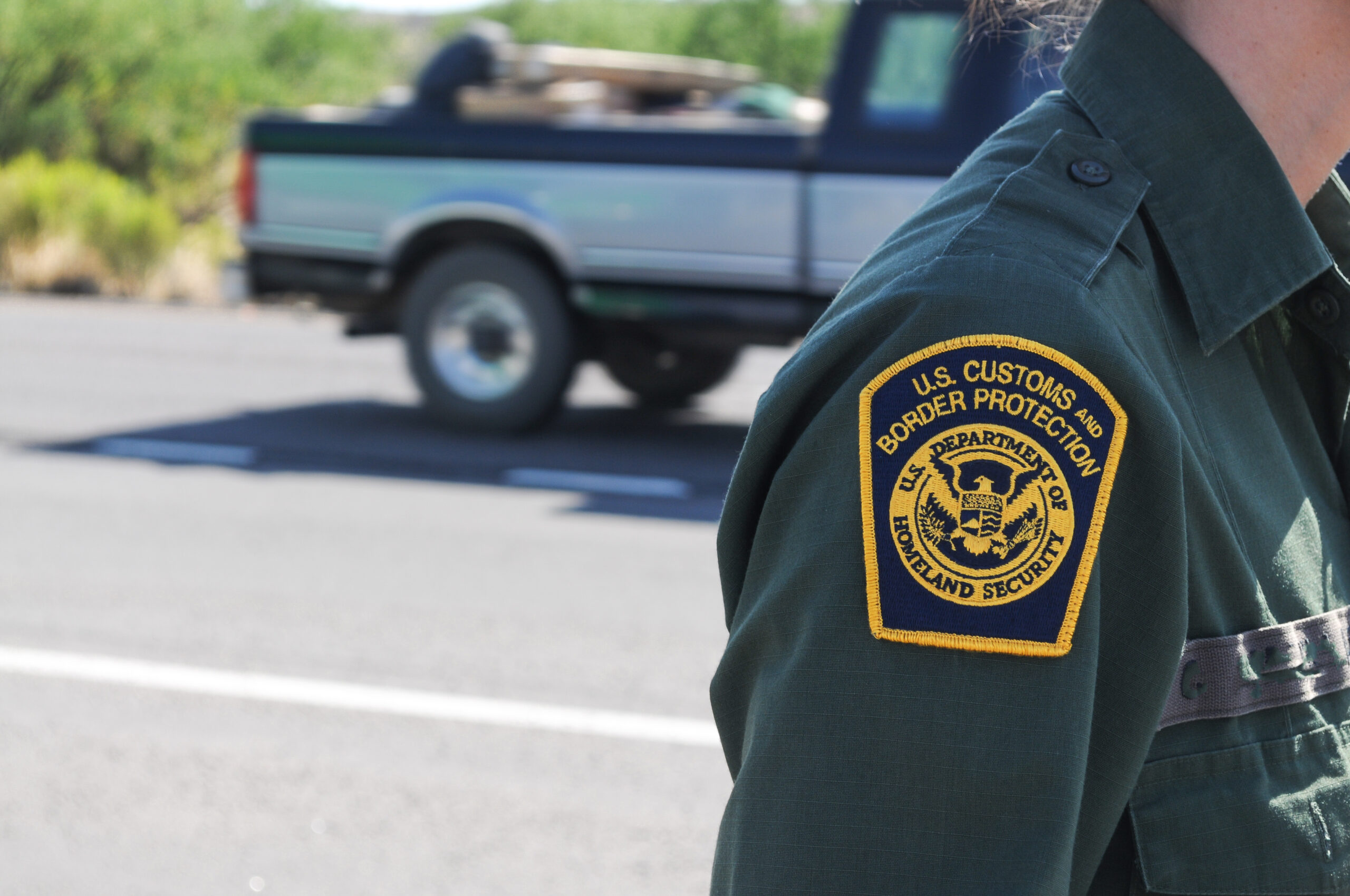
On April 30, President Trump signed into law P.L.119-86, the FY26 Department of Homeland Security (DHS) Appropriations Act, ending the 76-day funding lapse for the department disrupting most of its operations. Alarmed by Immigration and Customs Enforcement (ICE) actions in Minnesota, Senate Democrats filibustered an initial bipartisan DHS appropriations bill due to a lack of immigration law reforms they sought. In order to get the department funded, Senate Republicans developed a two-phase plan to fund the department. They agreed to drop funding for U.S. Immigration and Customs Enforcement (ICE) and U.S. Customs and Border Protection (CPB) border security operations from the DHS appropriations bill with a plan to fund these operations in a budget reconciliation bill that avoids a Senate filibuster.
House Republican leadership initially opposed the DHS appropriations bill because it lacked funding for ICE and the Border Patrol but eventually relented on April 29 after the adoption of S. Con. Res. 33, a budget resolution that would trigger reconciliation legislation designed to fund ICE and the Border Patrol for the remainder of the Trump Administration. The budget resolution included instructions to the Senate Homeland Security and Governmental Affairs Committee (HSGAC) and the Judiciary Committees to each increase mandatory spending by not more than $70 billion over 10 years (for a potential total of $140 billion).
The vast majority of Republicans stuck together to do something Democrats are refusing to do: Fully fund the Border Patrol and ICE for three and a half years through the Trump presidency.
Senate Budget Committee Chair Graham (R-SC),
April 23
SENATE RECONCILIATION BILL
President Trump has called on Congress to send him the reconciliation bill funding ICE and the Border Patrol by June 1. The first step in the process is for the Judiciary and Homeland Security Committees to report legislation to the Senate Budget Committee, which will assemble that legislation into a reconciliation bill and report it to the Senate. The Senate will then consider the reconciliation bill under budget rules that preclude a filibuster allowing the bill to pass with just 51 votes.
On May 4, the Senate Homeland Security and the Judiciary committees both released draft legislative text providing a total of $71.652 billion in funding. While the primary purpose of the bill was to fill the hole in the FY26 DHS appropriations act created by zeroing out the Border Patrol and ICE funding, the committees provided more than the omitted funding. The bills also provide sufficient funding to ensure both the Border Patrol and ICE have sufficient funding for the remainder of the Trump Administration, precluding any potential shutdown of these two entities. The Congressional Budget Office estimate of the legislation shows the funding being largely expended over the 4-year period with expenditure ramping up from 12% in FY26 to nearly 30% by FY29.
Chart I displays funding by agency, funding source by committee, and the relevant section of the committee’s legislation. For Customs and Border Protection (CPB), the two bills combined provide a total of $26.02 billion or $6.5 billion annually if spread equally over the four-year period. In the case of ICE, the total is $38.2 billion or $9.5 billion if spread equally over the four-year period. In addition to funding for CBP and ICE, the two bills combined provide $5 billion to the Secretary of Homeland Security. The Senate Judiciary Committee legislation also provides $1 billion to the Secret Service for security, including security requirements for the White House East Wing Project (the ballroom) and $1.5 billion to the Justice Department for law enforcement actions related to immigration, drug trafficking, and terrorism.
NEXT STEPS
The Senate Judiciary Committee decided to forgo a markup initially scheduled for May 12 to expedite consideration of the reconciliation bill. The Homeland Security Committee has scheduled a markup of its legislation on May 19 with the Senate Budget Committee following up and reporting the bill to the Senate. The plan probably entails a floor amendment to add the text from the Judiciary Committee. Both the House and Senate are scheduled to be out the last week of May for the Memorial Day recess. That means the Senate and the House will need to complete action on the bill by Memorial Day weekend to meet the President’s deadline.
While reconciliation gives the majority a filibuster-proof path through the Senate, reconciliation bills are subject to the Senate’s Byrd rule, which generally requires the bill be limited to budgetary provisions. In an initial review, the Senate Parliamentarian identified Byrd rule problems with the draft text. Republicans have the opportunity to fix the problems either before the Homeland Security Committee marks it up next week or with a floor amendment when the full Senate considers the bill.
The provision that has drawn the most attention is the $1 billion for security for the White House “East Wing Modernization Project” (the new ballroom). Democrats have attacked the provision and plan to strike the funding either via the Byrd rule or through floor votes. Some Republicans have also raised concerns with the $1 billion price tag.
We think Senate Republicans will work their way through any Byrd rule problems, and address any other procedural or political problems with the White House ballroom security funding by either dropping it or modifying it. With those changes, Congress will ultimately pass and send a bill to the President that funds the Border Patrol and ICE through FY29.
IMPLICATIONS OF RECONCILIATION FUNDING
Access to funding through FY29, provides ICE and the Border Patrol with broad authority over allocation of the money and protects them from continuing resolutions and disruptive government shutdowns. As a result, Congress gives up a great deal of control over this funding and the oversight of its spending to the Executive Branch. In appropriations bills, the Appropriations Committee includes detailed funding breakdowns along with provisos that limit what can and cannot be funded by the agencies. Appropriations measures include reprogramming protocols and transfer authority, all with detailed provisions and limits on how they are to be applied. And the Administration must return each year to justify its expenditure of previous appropriations and seek Congress’ approval of the next year’s appropriation.
This will be the fourth time Congress will have used reconciliation to fund programs traditionally funded through the appropriations process and it represents another blow to that process. House Appropriations Chairman Tom Cole (R-OK) embraced using reconciliation to fund ICE and the Border Patrol in this instance, but lamented that this “imperfect move” would diminish Congress’ Constitutional Article I powers.

Chart I. Source: FBIQ and the Congressional Budget Office. Note: The legislation provides that funding is available for FY26-29.