
September 30, 2026
The Trump Administration’s Race to Obligate 95 percent
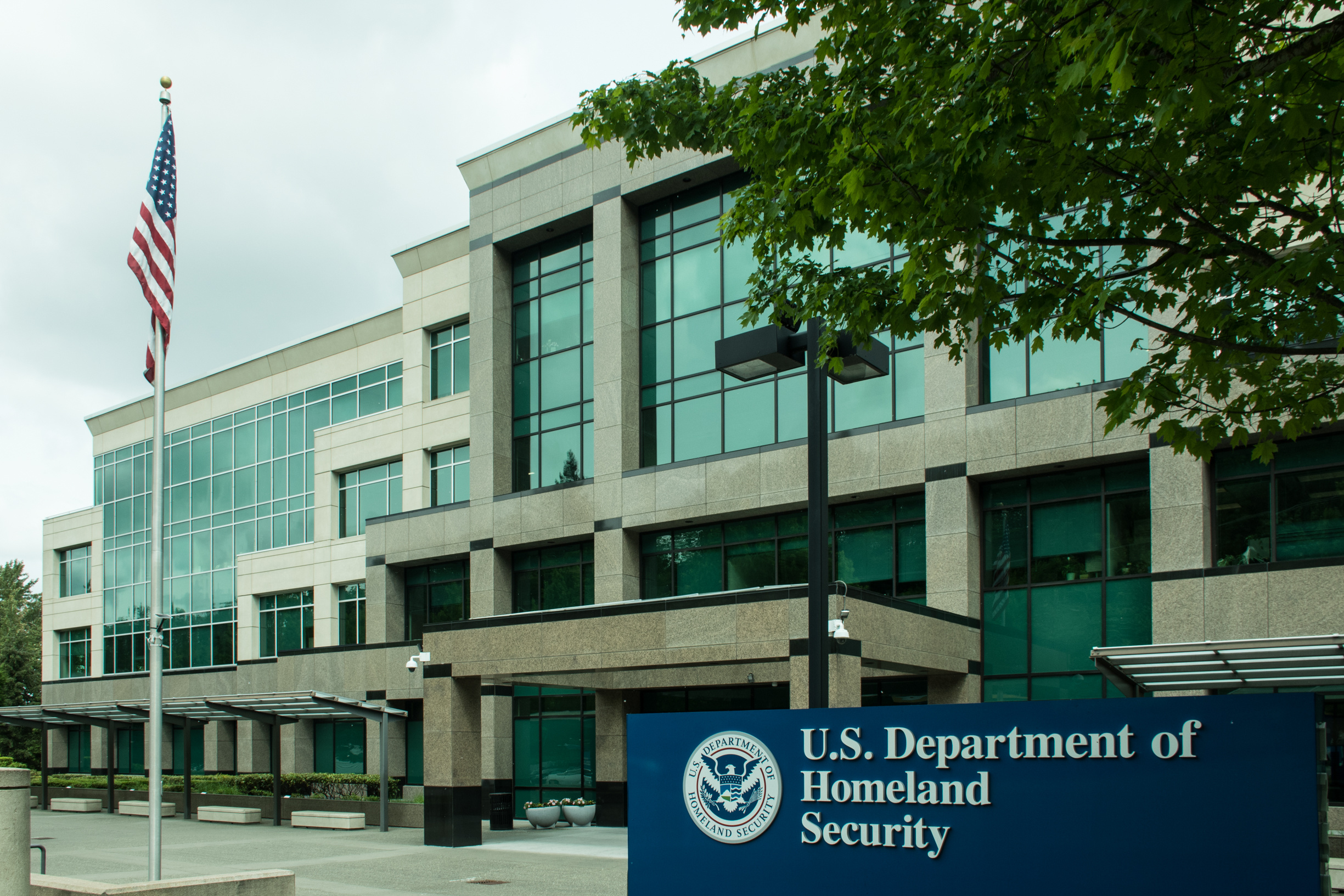
The centerpiece of the Trump Administration’s budget strategy has been to use the budget reconciliation process to avoid a Senate filibuster, secure billions multi-year funding for President Trump’s spending priorities, and let Congress squabble over the rest. The One Big Beautiful Bill Act (OBBBA), enacted on July 4, 2025, featured $191 billion for the Department of Homeland Security (DHS) and $152.6 billion for the Department of Defense.
After two record-setting partial government shutdowns, Congress opted to break the impasse by funding all of DHS except Immigration and Customs Enforcement (ICE) and US Customs and Border Protection (CBP) border security operations through a FY26 DHS appropriations bill. P.L. 119-86 was enacted on April 30, 2026. House Speaker Johnson (R-LA) and Senate Majority Leader Thune (R-SD) then used a second reconciliation bill—the Secure America Act (SAA)—to approve $69.6 billion in multi-year funding for CBP and ICE. SAA was enacted on June 10, 2026.

Chart I. Source: CBO
After a reconciliation or appropriations spending bill is adopted, the Office of Management and Budget (OMB) works with the affected agencies to develop OMB-approved spending and apportionment plans. The spending plan focuses on the spending totals and program priorities. The apportionment plans focus on the timetables for the affected agencies to obligate the funds. For federal contractors, agencies can obligate funds by putting them on a contract.
95 percent of that One Big Beautiful Bill funding will be allocated by the end of September…
Secretary of Defense Hegseth,
July 21
Chart I and Chart II on are based on Congressional Budget Office (CBO) outlay projections for DHS and the Department of Defense (DOD) on their OBBBA funding before the law passed. From the outset, our team argued that CBO’s estimates overstated FY25 spending. In February, we adjusted our forecast to reflect the initial FY26 43-day government shutdown and delays in approving FY26 appropriations. We expect both factors to push billions in projected outlays from FY26 into FY27.
Since adoption of the OBBBA, OMB-approved apportionment plans have consistently directed DOD and DHS to obligate the vast majority of their OBBBA funding for DOD and DHS procurement activities in FY26 with most of those targets increasing over the past several months. Operationally, aggressive procurement obligation targets signal the administration’s intent to execute on the President’s spending priorities.

Chart II. Source: CBO
OMB’s strategy is no accident. With the November mid-term elections nearing, its approach increases the Administration’s political leverage over implementation of these spending priorities. If November’s mid-term election results change control of the House, the Senate, or both, it would be far more difficult for Congress to terminate a contract than it would be to rescind or repurpose unobligated agency funds.
OBBBA gives the affected agencies broad authority over allocation of billions of dollars with far less direction and oversight than they typically receive in the annual appropriations process.
For the Pentagon and the U.S. Coast Guard, much of OBBBA’s funding is for large, complex procurements for systems with evolving mission requirements. Figuring out the necessary programmatic requirements will take months. For complex systems like Golden Dome, we expect OMB’s apportionment strategy to result in agencies “parking” money on big broad, flexible contracts with large system integrators that give the agencies the flexibility to develop future task orders.
For contractors operating in this environment, success requires a sophisticated partnering strategy.
[I]t is the policy of my Administration that fixed-price contracts with performance-based considerations should serve as the default and preferred method of procurement in order to advance cost predictability and budget discipline, appropriate contractor incentives and accountability, and streamlined procurement and contract administration.
E.O. 14402,
“Promoting Efficiency, Accountability, and Performance in Federal Contracting,”
April 30, 2026
A COMPLICATION
President Trump’s focus on fixed price contracts with performance-based incentives and OMB’s aggressive apportionment strategy for complex, multi-billion-dollar systems work in an environment with stable prices and robust, resilient, global supply chains for everything from chips to critical minerals. Contractors now face challenges on both fronts.